What Is Zoning?
Envisioning Development


Shine a Light on Your Utility Rights
Making Policy Public
Trouble With Your Water Bill?
Public Access Design
Don't Trash NYC!
Public Access Design

Rent, Rights, and Repairs
Public Access Design






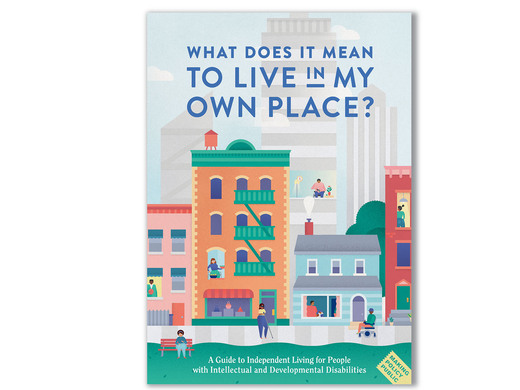


 What Does It Mean To Live In My Own Place?
Choosing where to live, who to live with, and how to live one’s life are basic rights. But for people with intellectual and developmental disabilities (ID/D) it can be particularly difficult to access those rights. In the past, living with family or in group homes may have been the only option, and many people aren’t aware of the different funding and supports available to help them live on their own. Even more challenging, applying for and finding the right housing is a complicated process that can take a long time.
To help people with ID/D understand their options for living independently in New York State, CUP worked with AHRC-NYC and design studio Second Marriage to create What Does It Mean To Live In My Own Place?, an illustrated, fill-in-the-blanks guide. The foldout poster helps people with ID/D understand their housing rights and address their questions on living independently. The guide also serves as a planning workbook to be filled out by people with ID/D and their supporters when they are preparing to live independently, complete with a list of resources on funding and where to get help.
- 8″ × 11″ color pamphlet; unfolds to 22″ × 32″ poster
- $8.00