Hello, My Name is Minimum Wage
City Studies

Is Your Neighborhood Getting Too Expensive?
Technical Assistance

TGNC-NYC
Public Access Design

Predatory Equity
Making Policy Public

Get It Back!
Public Access Design
Share, Where?
Urban Investigations
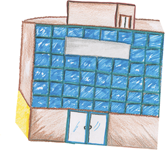





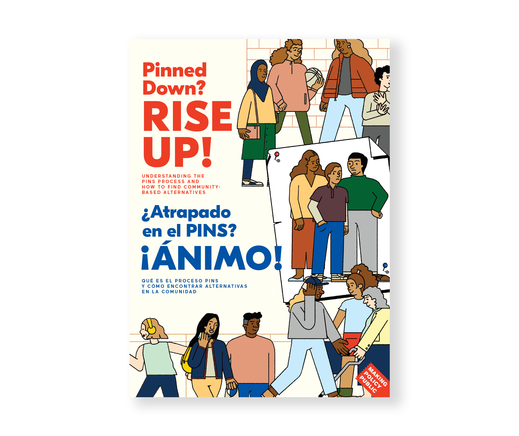


 Pinned Down? Rise Up!
A misbehaving young family member can lead parents to seek outside help. Families in low-income communities of color are often told that their only option is to file for a legal process known as “PINS,” or Person in Need of Supervision. PINS often has long-term harmful effects on their future, including detention, out-of-home placement, and a permanent criminal record. What are the alternatives to PINS, and how can parents make the right choice for their young person?
CUP collaborated with Community Connections for Youth, Inc. (CCFY) and designers Jeff Louie and Kimberly Lum to create Pinned Down? Rise Up! Understanding the PINS process and how to find community-based alternatives—an illustrated fold-out poster in both English and Spanish. The guide explains the PINS process and its consequences, lists community-based programs for youth and maps out the different types of programs, with advice on how to find the right fit for each family.
- 8″ × 11″ color pamphlet; unfolds to 22″ × 32″ poster
- $8.00