Innocent Until Proven Risky
Making Policy Public

Swept Up
Urban Investigations
Figuring Out Health Insurance
Making Policy Public
Is Your Home Making You Sick?
Making Policy Public
Who Makes Bail?
Urban Investigations






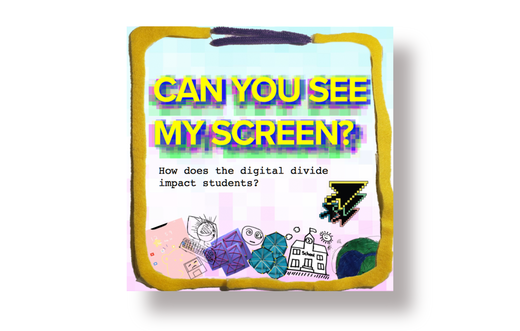


 Can You See My Screen?
When schools closed in March 2020, about 16 million K-12 students in the U.S. didn’t have access to a working device, high-speed Internet, or both. This digital divide disproportionately affects Black, Latinx, and low-income students. What is the digital divide? How does the lack of digital equity impact students doing remote learning? What could the future of digital learning look like?
In the spring of 2021, CUP collaborated with Teaching Artist Stephanie Eche and students from KAPPA International High School in the Bronx to investigate this issue. Students designed their ideal remote learning environments, surveyed their peers and community members, and interviewed key stakeholders working on the issue. The team gathered what they learned and created Can You See My Screen?, a poster that teaches others about the digital divide and how we might close the gap.
Learn more about the project here!
- 6.375″ × 6.375″ folded, 12.75″ × 25.5″ unfolded
- $5.00